"Magic dwells in each beginning"

Ataxia is a Greek word for “Lack of Order”. Our mission is to bring some order with Ataxia awareness.

As part of the Ataxia Aware project we are sharing personal accounts of those with Ataxia or other rare conditions. We want to provide a safe space for people to talk about their experience with disability, whether themselves or someone close to them.

My story and experience with the world:

“Magic dwells in each beginning”, what a beautiful and privileged sentence that is. As someone diagnosed later in life with Friedreich’s Ataxia, this is a “beginning” I certainly could have done without.

With the diagnosis came something that did not suddenly appear; the diagnosis showed clearly how cruel society is and always was. Symptoms don’t pop up overnight; they have always been slowly chipping away at your able-ness until they become undeniable.

There is the constant mockery, the laughter at your clumsiness, your expense – all you can do is brush it off, as you have no explanation. You don’t know yet that the ridicule is because of Friedreich. It is a mirror of how able parts of society treat each other. How mean we as people are.

This treatment I endured my entire life, and only with the knowledge of the diagnosis came the understanding that this is not my fault, not my doing – that it is, in fact, discrimination.

Discrimination, Work and Identity

Discrimination against myself, I had my entire life at a level that I don’t even recognise anymore. One would think that with the explanation came a certain peace. But no; it got worse. Gets worse. And it’s getting worse due to people.

Friedreich’s took my old, my able, life. I simply am too limited to work in my profession. It would require a willing employer to put costly alterations and support in place for me to continue my career.

Losing this does not just mean losing parts of your identity, but by not being seen as able, you become dis-abled in the eyes of society.

Perceptions

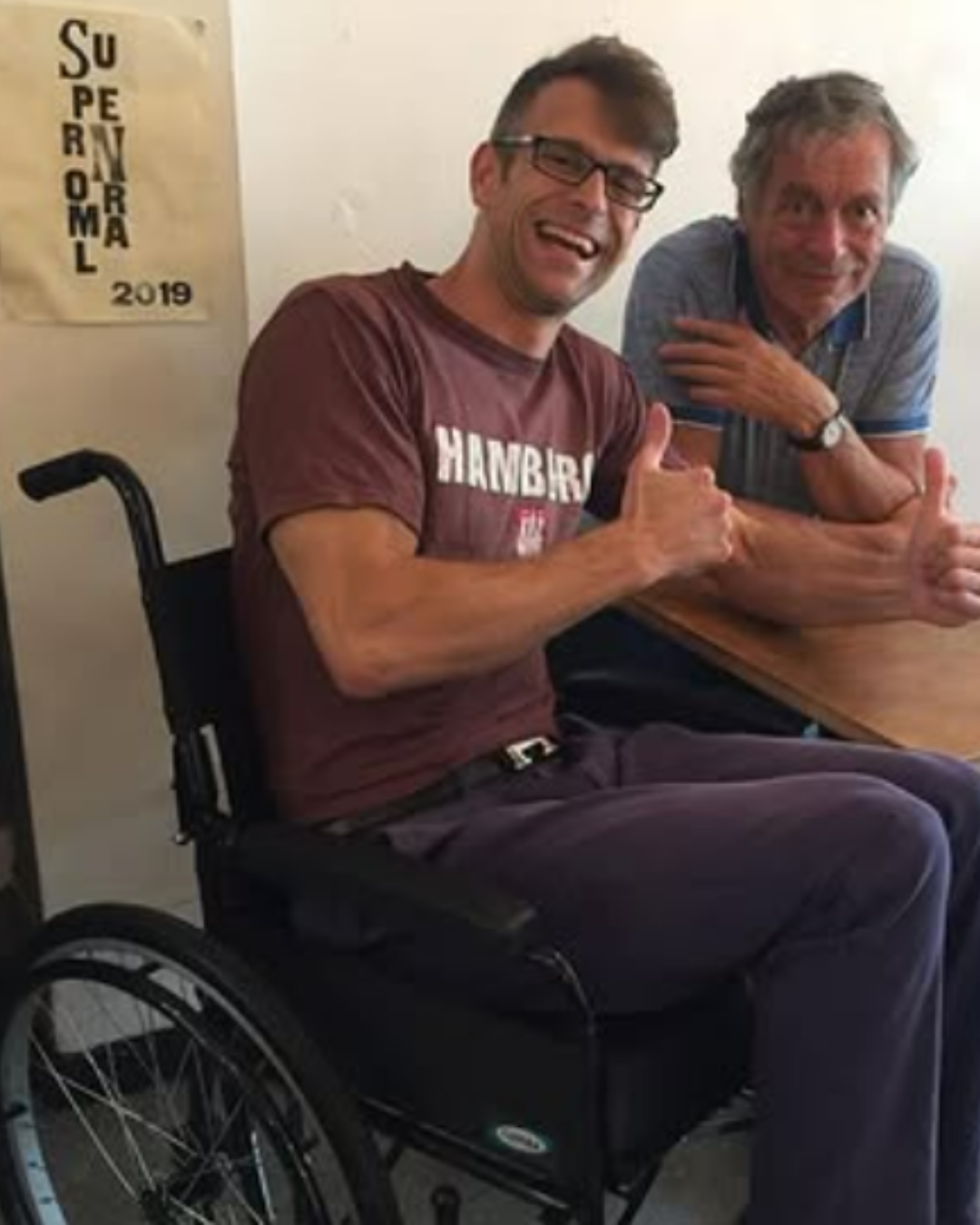
Instead of being perceived as a capable, independent human being, you become a dependent. When I started using my wheelchair, people asked my friends questions that were for me. It’s not that I became invisible to others, but I became uncomfortable for them.

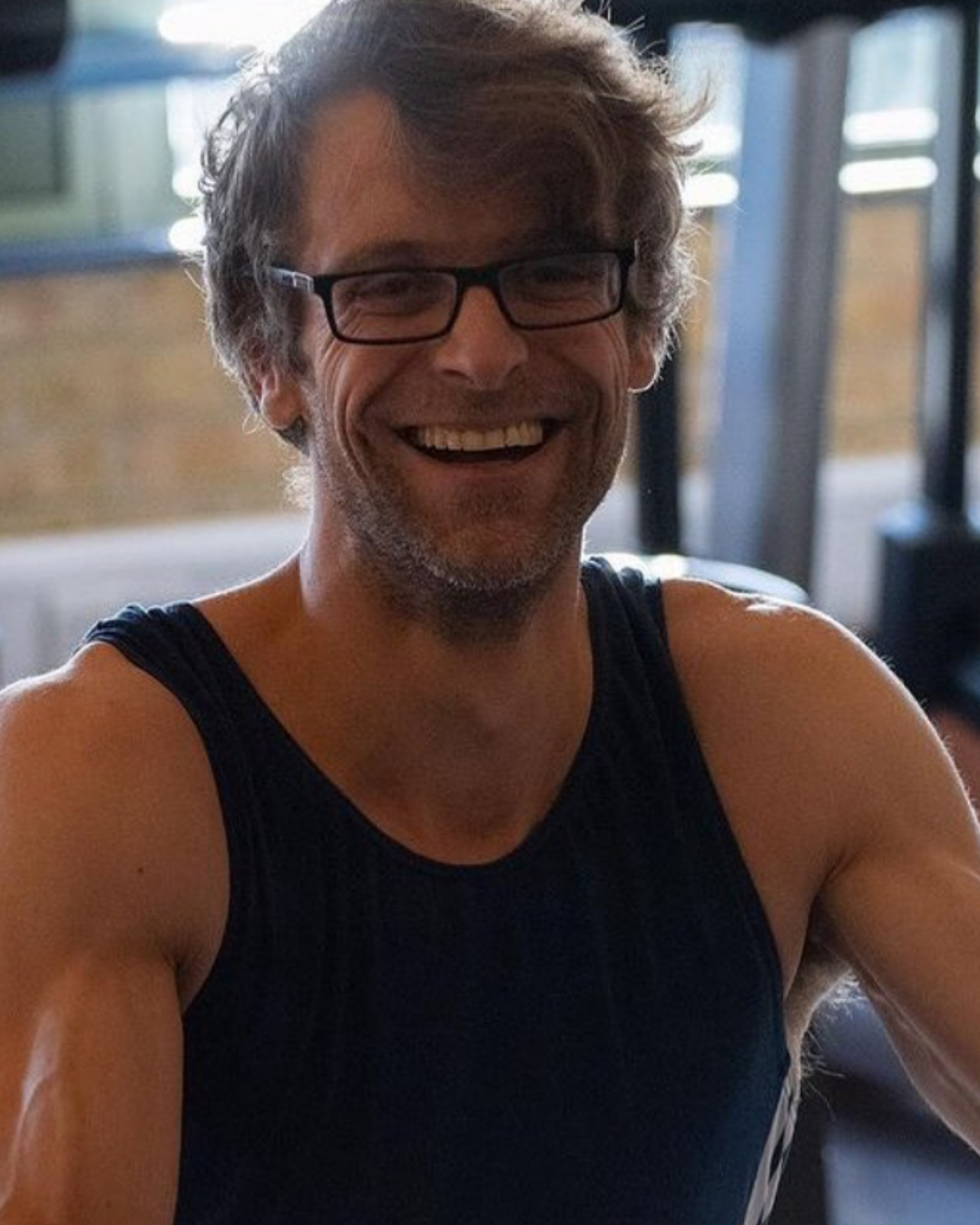
When I fought myself out of the wheelchair (not for the convenience of others), public perception of me as disabled changed again. However, significant problems remain, as I am disabled, it is undeniable, and I am okay with it (only with the disabled part).

The paperwork says I am disabled. Society feels the obligation to protect the able-bodied from the dangers the disabled could pose. In short, we are 2nd-class humans.

Things I am capable of doing that are perfectly normal for anyone now require an assessment. In fact, I am constantly being scrutinised and asked to provide proof because a paper says “I might not”. There is no physical reason for doubt, but the paper demands it. People who have never met me judge my abilities, similar to before, they ask others questions that concern me.
I am a dependent, 2nd-class human.

Friedreich’s erased my humanity, not because of Friedreich’s but because of how we are being treated by society.

Not only did it take my career and the perception of me as a human being, but it also took my past. At least in the minds of people around me. Instead of being Dr. Herdt, the (now retired) professor, I became Georg, the disabled.

A Cruel Society

Ableism – or even discrimination – is everywhere. We are forced to navigate a world that is not designed for us. A physical environment cannot and will not change quickly; that is also not necessarily the issue.

The problems pavements and buildings present can be overcome by people who try, kind, good people. And there are a few good people who not only see the problems we face, like how to get a drink unspilled to the table, but also don’t find it inconvenient to aid and help. Even when it’s not necessary – that is kindness.

And then there is society as a whole, which is as cruel to each other as I remember, but now I am more vulnerable than before. A Society that at best ignores us and at worst prevents us from taking part. From actively blocking access, to telling us that we are an inconvenience when asking for help. A kind society would not need laws to protect the vulnerable. But we are in a different society. A society that faces little accountability for how they treat their vulnerable.

And this is a question to society: do you want to become better, more inclusive, more enabling of the vulnerable? Or not.

As with everything, you only truly see how good and kind things were when they are no more. Despite the issues of an insufficient building, when the desire to enable comes from the top, the environment follows.

In appreciation of Keith Kelly.

Written by: Georg Herdt

Edited by: Meg Elmer

We would like to thank Georg for sharing his inspirational story with us. If you would also like to get involved and share your experience with Ataxia or another rare condition, please get in contact with us through our social media channels or our email. 

Scroll to top