Wheelchair Fencing
Changed My Life

Ataxia is a Greek word for “Lack of Order”. Our mission is to bring some order with Ataxia awareness.

As part of the Ataxia Aware project, we are sharing personal accounts of those with Ataxia or other rare conditions. We want to provide a safe space for people to talk about their experience with disability, whether themselves or someone close to them.

About Me:

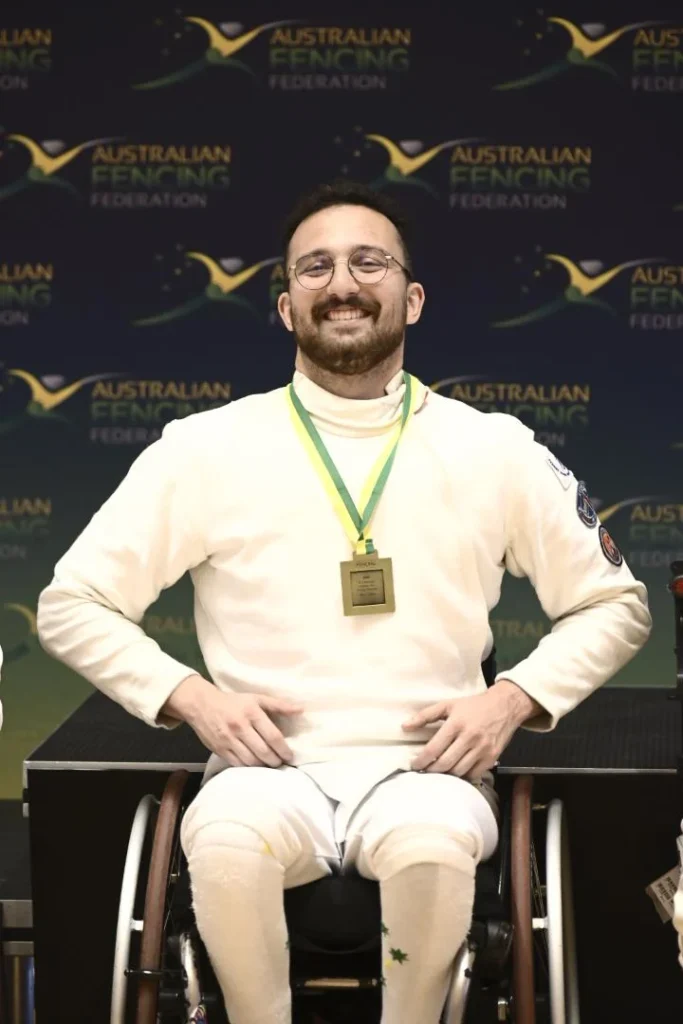
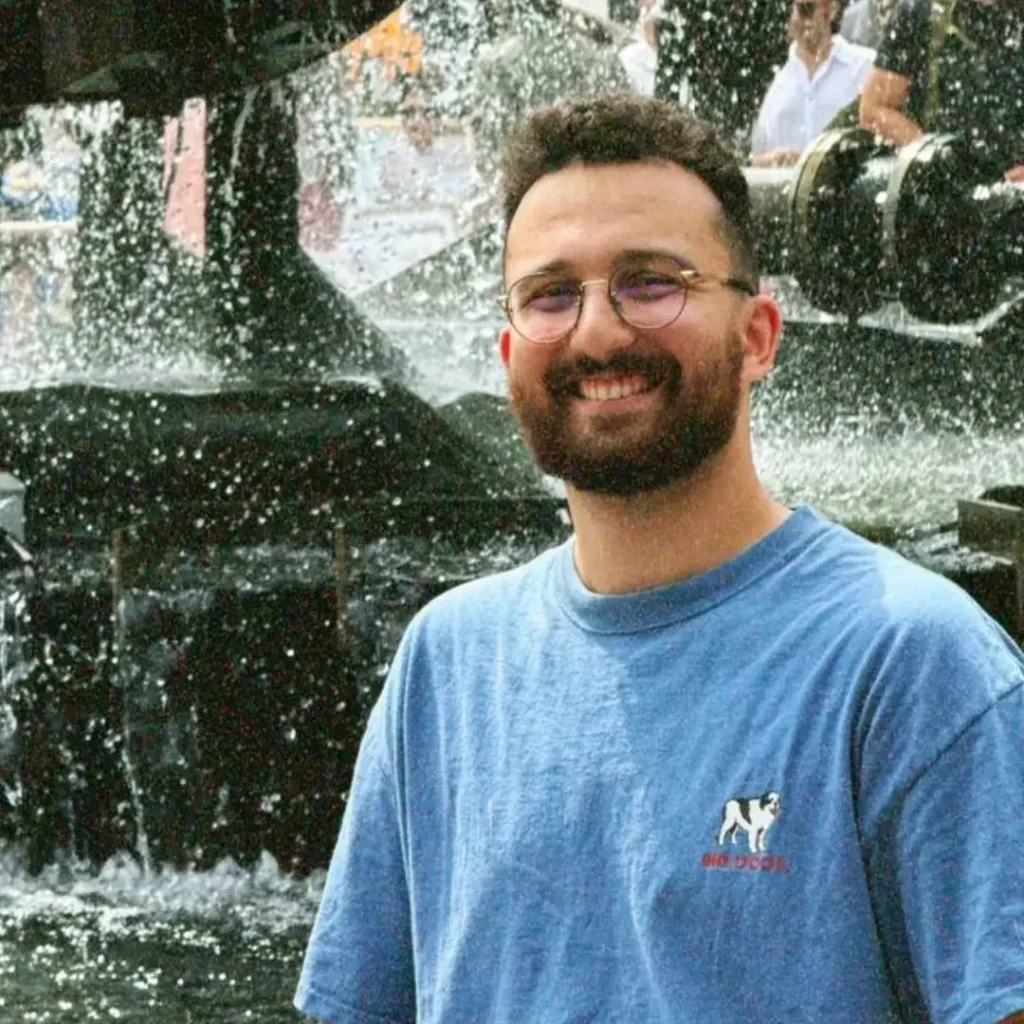
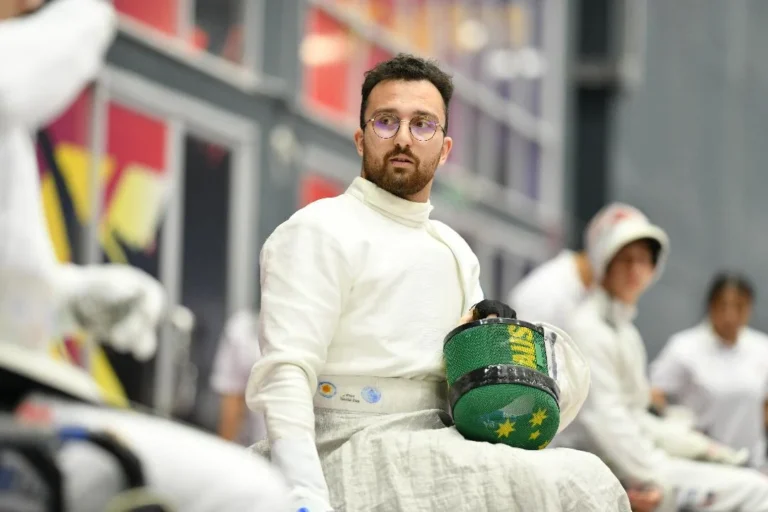
My name is Sam Blade. I’m a wheelchair fencer from Sydney living with Friedreich’s Ataxia (FA).

I compete internationally in para fencing, and I’m currently Australia’s highest-ranked male wheelchair fencer. I’m working towards improving my international ranking and aiming for major competitions, with the end goal being the Paralympics. I’m also focused on helping grow wheelchair fencing in Australia so more people can get involved, and to keep pushing myself toward the number one spot.

Outside of sport, I’m really passionate about cultural events, especially those connected to SWANA (Southwest Asia and North Africa) communities, a region I have strong personal and cultural ties to. I care about creating spaces where culture and community can come together in an accessible way. Because of this, I’m currently studying a Bachelor of Entertainment Business Management at JMC Academy to build on that passion and turn it into something I can work with in the future.

Ataxia Journey:

I was born with FA, but we only found out when I was 15. Before that, I had balance issues that were mostly brushed off as clumsiness or growth spurts. Early in the diagnosis process, I was told it could be mercury poisoning or MS, but after about a year of testing with neurologists, I was diagnosed with Friedreich’s Ataxia.

The diagnosis itself was really rough and, honestly not handled very well by the professional who told me. As a 15-year-old, being told I had a progressive condition and that I may not live past my 20s really messed with my head… I stagnated for a couple of years after that, but things changed when my parents connected me with an FA research centre in Melbourne. They helped me rebuild structure through exercise, neuro-physio, and eventually, I found wheelchair fencing.
What Has Been Your Biggest Challenge with Ataxia?

The hardest part for me has been the mental side of things. The physical stuff is obviously difficult too, balance, fatigue and mobility, but mentally it’s tough living with something like FA.

Rare diseases can also feel isolating. Most people have never heard of Friedreich’s Ataxia, so you end up explaining yourself a lot.

Another thing that stuck with me, and probably caused me the most grief over time, was how much the diagnosis process impacts you. The way someone delivers that kind of news really matters, especially when you’re young.

What Effect has Sport had on Your Life and Your Ataxia? How Has it Been an Outlet?

Sport completely changed my life. I started wheelchair fencing a few years after my diagnosis, after my dad encouraged me to try it, and I got hooked pretty quickly. It became way more than just a sport. It gave me structure, confidence, and something to work towards during a time I felt pretty lost.

FA definitely makes elite sport harder; fatigue, coordination and recovery all play a role, but sport has helped me physically and mentally more than anything else. When you’re fencing, you’re fully locked into the moment and not thinking about anything else.

It’s also given me opportunities I never expected. I’ve competed internationally and met some incredible people through it.

Any Advice for Someone with a Rare Disease Trying to get into Sport?

Don’t underestimate yourself before you even start. A lot of people with rare diseases grow up hearing limitations, so sports can feel intimidating. You don’t have to be elite. Just finding movement you enjoy can genuinely change your confidence and mental health. And don’t be afraid to adapt things to suit your body. Disability sport is about working with your body, not against it.

Support System and Relationships:

I’ve been lucky to have a supportive family and good people around me, especially during the harder periods after diagnosis.

Ataxia definitely affects relationships. Chronic illness impacts the people around you, and disability can feel isolating because people don’t fully understand it and may never really. At the same time, it’s shown me who genuinely sticks around, and I’ve also found a strong community in and outside of sport.

Staying Positive and A Message to Someone Newly Diagnosed:

I don’t think staying positive means pretending things are easy. There are always hard days. For me, it’s more about having purpose and things to work towards, along with cutting yourself some slack when you need it. Training, study, sport, creativity and community all help a lot.

To someone newly diagnosed, I’d say your life isn’t over. It’s okay to grieve and feel overwhelmed, but don’t let anyone reduce your future to worst-case scenarios. You’re still the same person you were before the diagnosis!

We Are People, Not Just Patients:

I think it’s important that people with rare diseases are seen as full people, not just patients or inspirational stories. We still have goals, personalities, flaws, humour, relationships and ambitions outside of our conditions.

And for the future?

I’d love to see more accessibility and growth in wheelchair fencing across Australia. It genuinely changed my life. Without para sport, I honestly don’t know where I’d be, and I wouldn’t want to know.

Written by: Sam Blade

Edited by: Meg Elmer

We would like to thank Sam for sharing his inspirational story with us. If you would also like to get involved and share your experience with Ataxia or another rare condition, please get in contact with us through our social media channels or our email.

Scroll to top